

Considering to replace your furnace before winter can help Michigan homeowners avoid emergency breakdowns, high repair costs, and uncomfortable cold-weather surprises. Key warning signs include a furnace that’s 15 years or older, rising utility bills, persistent or worsening noises, frequent recent repairs, yellow burner flames, and insufficient heating throughout the home. As furnaces age, efficiency drops, breakdown risk increases, and major repairs often become poor financial investments. In the fall, proactive replacement may be smarter than gambling on an aging system to survive winter. Immediate replacement is essential if there’s a cracked heat exchanger, carbon monoxide concerns, or repeated failures, as these situations pose serious safety and property risks.
Consider Replacing Your Furnace Before Winter
The last thing any homeowner wants is a furnace failure in the middle of cold Michigan winter. Being proactive about furnace replacement can save you from emergency repairs, uncomfortable nights, and the premium costs that come with last-minute installations during peak heating season. Several warning signs can help you make an informed decision before cold weather arrives:
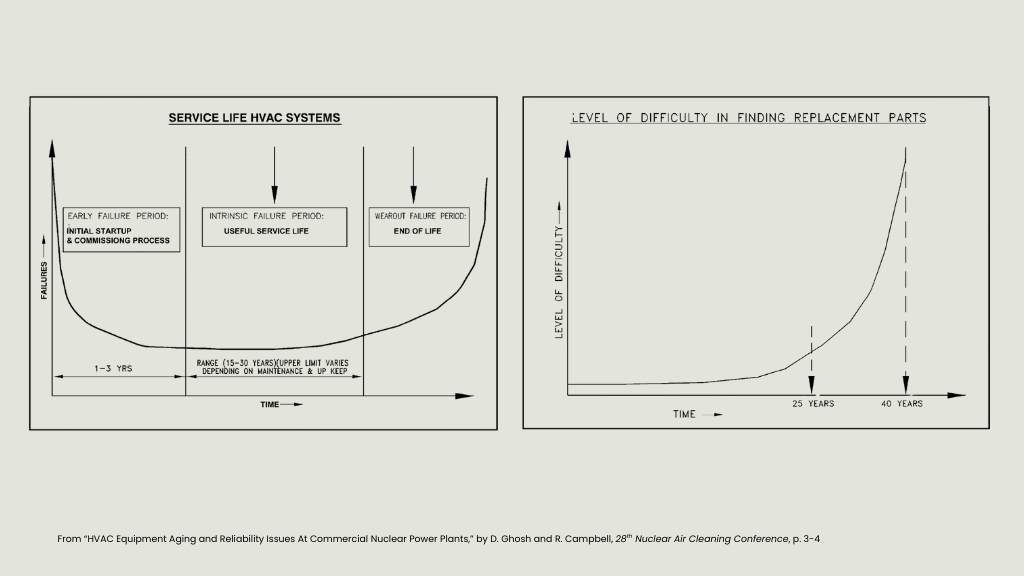
- Furnace is 15 years or older: The average furnace lasts about 18 years, with failures often following a bathtub curve. This means that once your system passes the 15-year mark, the probability of a major breakdown increases significantly each year. Even if your older furnace still runs, it’s likely operating far less efficiently than modern models, and replacement parts may become difficult or expensive to source.
- Increase in recent repairs: If you’ve spent several hundred dollars on repairs in the past year or two, that money could be better used towards a new system. Each repair is a band-aid on an aging system, and the next breakdown is often just around the corner.
- Increasing utility bills: Older furnaces become less efficient as components wear out. Modern high-efficiency furnaces achieve 95-98% AFUE (Annual Fuel Utilization Efficiency), meaning they convert nearly all their fuel into heat for your home.
- Continued noise: Loud banging, squealing, rattling, or grinding noises indicate serious mechanical problems. Banging can suggests delayed ignition where gas builds up before igniting, creating a small explosion. Squealing typically points to worn belts or failing bearings in the blower motor. Some noises can be addressed with repairs, but persistent or worsening sounds suggest your furnace’s core components are deteriorating
- Burner flame is yellow instead of blue: A properly functioning gas furnace produces a steady blue flame. A yellow or flickering flame indicates incomplete combustion, which can produce dangerous carbon monoxide. While cleaning can sometimes resolve the issue, a yellow flame in an older furnace often signals that it’s time to replace your furnace before it becomes a health hazard.
- Your home felt chilly last winter: If some rooms never seem to warm up, or your furnace runs constantly without reaching the thermostat setting, your system can no longer adequately heat your home. This could stem from an undersized furnace, failing heat exchanger, or worn blower motor. Replacement may be the best option to restore consistent warmth and comfort.
When to Repair vs Replace Furnace
Once you’ve identified warning signs in your furnace, the next question is whether to repair or replace. This decision becomes especially important in fall when you have the luxury of time to make an informed choice rather than facing an emergency mid-winter. Ultimately, it comes down to cost-effectiveness, system age, reliability, and how much risk you’re willing to take heading into winter. Here are a few practical guidelines:
- 50% Rule: if the cost of repair exceeds 50% of what a new furnace would cost, and your system has already served more than half its expected lifespan, replacement typically makes more financial sense. For example, if you’re facing a $1,500 repair on a 12-year-old furnace, and a new system costs $4,000, you’re better off investing in replacement.
- Age: Furnaces under 10 years old with good maintenance history are generally worth repairing unless the problem is catastrophic. Systems between 10-15 years old fall into a gray area where the decision depends on the specific repair needed and the furnace’s overall condition. Any furnace over 15 years old should be seriously considered for replacement, even for moderate repairs, since you’re likely to face additional problems soon.
- Repair Severity: Minor fixes like replacing a thermostat, cleaning sensors, or changing a blower motor capacitor are reasonable repairs at any age. However, major component failures such as a cracked heat exchanger, failed blower motors, or malfunctioning gas valves, can warrant replacement consideration in older systems. A cracked heat exchanger is almost always cause to replace your furnace since this repair often costs nearly as much as a new unit and poses serious safety risks.
- Timing: If you have an older furnace needing significant repairs in September or October, consider replacement rather than repairs. You’re essentially betting that an aging system with known problems will perform without fail through its most demanding season. Fall repairs might get you through winter, but may fail when temperatures drop and the system runs continuously.
The bottom line for fall decision-making: If you’re facing repairs exceeding $500-700 on a furnace over 12 years old, or any significant repair on a furnace over 15 years old, replacement before winter is almost always the smarter choice. You’ll avoid the risk of mid-winter failure, have better equipment selection, benefit from fall installation pricing, and enjoy immediate efficiency improvements right when heating costs matter most.
Signs to Replace Your Furnace Immediately
While many furnace problems allow time for planning and budgeting, certain situations demand immediate replacement for safety reasons or to prevent further damage to your home.
- Cracked Heat Exchanger: This is the most urgent reason to replace your furnace immediately. The heat exchanger separates combustion gases from the air that circulates through your home. When cracks develop, carbon monoxide and other toxic gases can leak into your living spaces. Signs include soot accumulation around the furnace, a yellow burner flame, excessive rust, or visible cracks if you can inspect the exchanger. If your HVAC technician identifies a cracked heat exchanger, do not operate your furnace.
- Carbon Monoxide Leak: If your CO detector goes off and you’ve ruled out other sources, your furnace may be the culprit. While not every CO alarm means you must immediately replace your furnace, if the issue stems from a cracked heat exchanger or cannot be safely repaired, replacement is essential to protect your family.
- Repeated Failures: If your furnace has left you without heat multiple times during cold weather, especially if repairs haven’t solved the problem, you’re risking frozen pipes, water damage, and dangerous indoor temperatures. Emergency replacement in this situation protects your home and family, even if the timing isn’t ideal.
- Trusted Expert Advice: If a trusted HVAC professional recommends immediate replacement, take this advice seriously. Experienced technicians can recognize when a system has crossed the threshold from repairable to hazardous or economically impractical. However, if the recommendation seems pushy or overly expensive, it’s always a good idea to do your own research and get a second opinion.
Replace Furnace in Holland MI
Holland, Grand Haven, and Saugatuck residents who wait until winter to address furnace problems face additional challenges unique to West Michigan. Lake-effect weather can delay installations, parts that normally arrive in days may take weeks during winter storms, and you’ll be waiting in line with dozens of other homes without heat. By choosing to replace your furnace before winter, you eliminate these risks entirely.
Don’t wait for the first freezing night to discover whether your furnace will make it through another West Michigan winter. If you’ve noticed any warning signs, take action now while you have time, choice, and leverageContact Baumann & DeGroot Heating & Cooling at (616)396-4328 or schedule online to ensure your family stays warm, safe, and comfortable all season long.
Furnace Replacement FAQs
Furnaces in Michigan typically last around 15-20 years. Models with proper maintenance and excellent care can sometimes reach up to 25 years.
Furnace replacement costs typically range from $3,000 to $7,000, depending on the unit’s size, efficiency rating, and installation complexity.
Most straightforward furnace replacements take 4-8 hours for a professional crew to complete during ideal weather conditions. However, installations can vary in complexity and modifications, extending this time.
If both systems are older than 10-12 years, replacing them together often makes financial sense. However, if your air conditioner is relatively new and functioning well, there’s no need to replace it prematurely.
Furnace size is measured in BTUs (British Thermal Units), and proper sizing requires professional calculations. Factors can include your home’s square footage, insulation quality, window efficiency, ceiling height, and climate zone.
Most likely, especially if your current furnace is over 15 years old. Homeowners typically see heating cost reductions of 20-40% after replacing an old furnace with a high-efficiency model.
Learn More About Furnaces
Troubleshoot your furnace blowing cold air
Find out why your furnace is making loud noise
Discover more about the furnace blower motor
Learn the importance of furnace maintenance
Get help with a furnace replacement