

Boiler Repair & Replacement
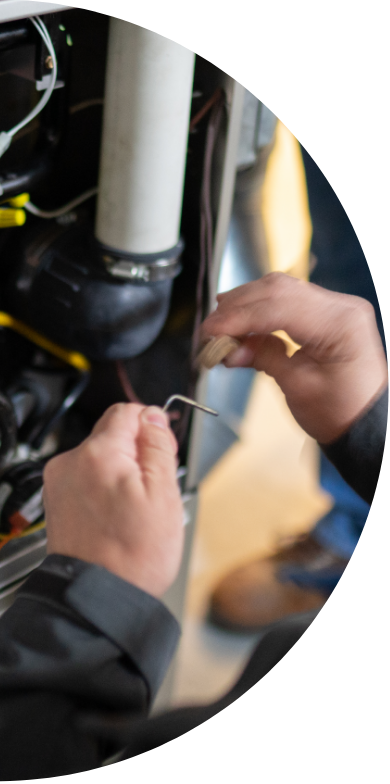
Trusted Expertise for Tough Repairs
Repairing complex boiler issues requires the expertise of a qualified technician to operate within critical safety standards and regulations. Attempting to perform repairs yourself can be dangerous and even worsen problems, waste your time and money. We’ll tackle your boiler repair with safety, quality and professionalism at front of mind.
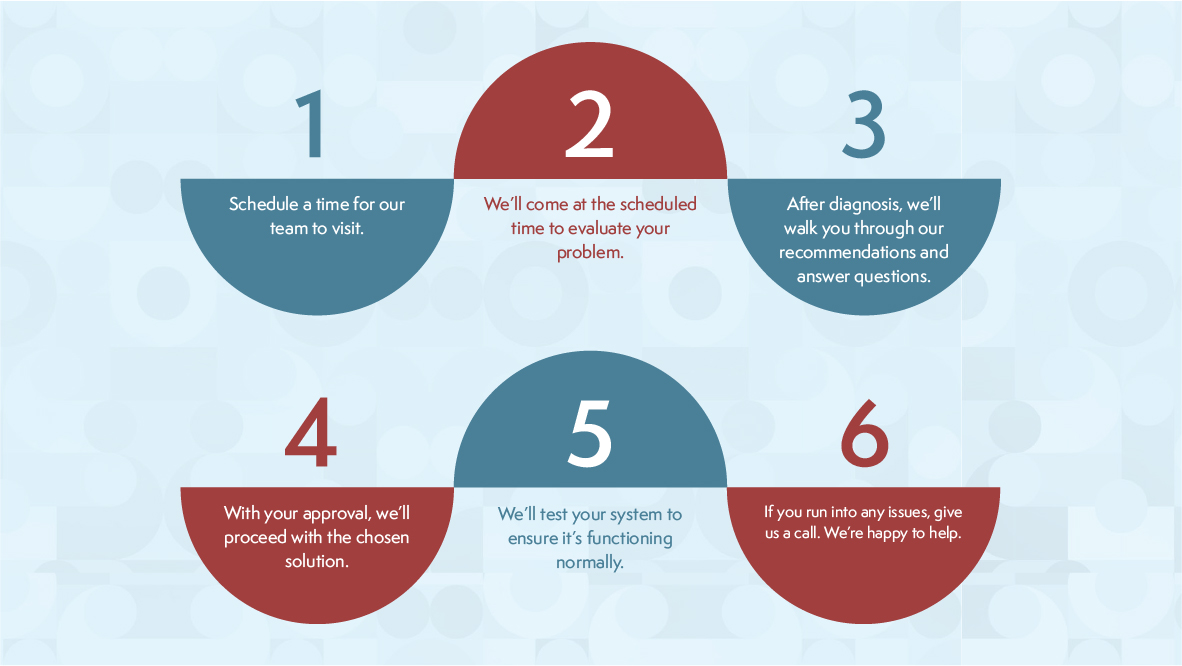
What to Expect
Here’s what you can expect when you work with the experts at Baumann & DeGroot.
FAQs
Quick answers to frequently asked questions about boiler repair and replacement.
What is a boiler and how is it different from a furnace?
A boiler heats water and distributes warmth throughout your home via radiators, baseboard heaters, or radiant floor systems. A furnace, by contrast, heats air and pushes it through ductwork and vents.
Can I try to repair my boiler myself?
It’s strongly advised against. Boiler repairs involve critical safety standards and regulations that require the expertise of a qualified technician. Attempting a DIY repair can be dangerous, potentially worsening the problem, and may end up costing you significantly more time and money in the long run.
How do I know if my boiler needs to be repaired?
Common warning signs include strange noises such as banging, kettling, or gurgling, a pilot light that keeps going out, uneven heat distribution throughout your home, visible leaks around the unit, a sudden spike in energy bills, or a boiler that frequently shuts itself off.
Why is my boiler leaking water?
Boiler leaks can stem from a number of causes including a faulty pressure relief valve, corroded pipes, damaged seals, or a crack in the heat exchanger. The source of the leak determines the appropriate fix. Any leak should be addressed promptly by a technician, as continued operation with a leak can cause further damage and create safety risks.
What causes a boiler to lose pressure?
Low boiler pressure is often caused by a water leak somewhere in the system, a recently bled radiator, or a faulty pressure relief valve. A boiler operating below its recommended pressure range won’t heat your home effectively and may shut itself down as a safety precaution.
Why are some of my radiators not heating up properly?
If certain radiators are cold while others are warm, the most common cause is trapped air in the system, which can be resolved by bleeding the radiator. Other causes include a buildup of sludge in the pipes or a circulation pump that isn’t moving water effectively through the system.
How long do boilers typically last?
With proper maintenance, a boiler can last anywhere from 15 to 30 years, depending on the type of system and how well it’s been cared for. As a boiler ages, efficiency tends to decline and repairs become more frequent.
What is a boiler flush and when is it needed?
A boiler flush is a process where a technician pumps a cleaning solution through your boiler and heating system at high velocity to remove sludge, rust, and other debris that accumulates over time. It’s typically recommended when radiators have cold spots, the system is slow to heat up, or the boiler is making unusual noises.
How do I know when it's time to replace my boiler rather than repair it?
If your boiler is old, has required multiple repairs in recent years, is no longer heating your home efficiently, or the cost of the repair approaches or exceeds half the value of a new system, replacement is often the smarter long-term choice.
What is a combination boiler and is it a good option?
A combination boiler, or combi boiler, provides both space heating and domestic hot water from a single compact unit, eliminating the need for a separate hot water tank. They’re a popular choice for smaller homes and those looking to save space, and modern combi boilers are highly efficient. Your technician can help you determine if it’s the right fit for your household’s hot water demand.
Schedule a Free Consultation
Every project is unique. Talk to one of our experts to determine the best solution for you and your home.