

Air Filtration Systems
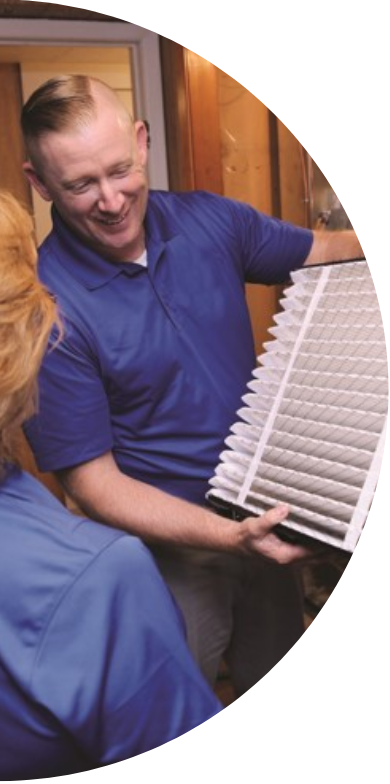
Reducing Airborne Allergens
Our wide range of air filtration systems effectively capture and remove allergens to limit harmful airborne particles. Well-like for their effectiveness and minimal maintenance, our systems are a cost-effective solution for your indoor air quality needs. We’re ready to help you select the right system for your space and provide expert installation to ensure exceptional performance.

How Does it Work?
Air filtration systems improve air quality by removing airborne particles and impurities. Here’s an overview of how these systems remove pollutants from the air:
Air Intake
The system uses a fan or natural airflow to pull air from the surrounding environment into its filtration unit.
Pre-Filtering
Many systems pre-filter larger particles such as dust, hair and lint, helping extend the life of the system by preventing main filter clogs.
Main Filtration
Typically, systems use a high-efficiency particulate air (HEPA) filter or a similar solution to trap smaller particles like allergens, mold spores, bacteria and viruses. Some systems also use activated carbon filters to eliminate odors.
Clean Air Distribution
As air passes through the filter, contaminants get trapped and removed from the air, releasing filtered air back into the space and improving overall air quality.
Optional Additional Features
Advanced systems may include extra functionalities:
- UV-C light sterilization kills bacteria and viruses
- Ionization will neutralize airborne particles
- Smart sensors monitor air quality and automatically adjust filtration levels
What to Expect
Here’s what you can expect when you work with the experts at Baumann & DeGroot.

FAQs
Quick answers to frequently asked questions about air filtration systems.
How does an air filtration system actually clean the air in my home?
The process starts when a fan or natural airflow pulls air from the surrounding environment into the filtration unit. The air then passes through a pre-filter that catches larger particles like dust, hair, and lint, followed by a main filter that traps smaller particles like allergens, mold spores, bacteria, and viruses. The cleaned air is then released back into your living space.
What is a HEPA filter and why is it considered the gold standard for air filtration?
HEPA stands for High-Efficiency Particulate Air. HEPA filters are engineered to capture at least 99.97% of airborne particles that are 0.3 microns or larger, including dust, pollen, pet dander, mold spores, and some bacteria. Their exceptional effectiveness at capturing even very fine particles is why they’re widely regarded as the most reliable filter technology available for residential air quality.
What is a pre-filter and why does it matter?
A pre-filter is the first stage of filtration, designed to catch larger particles like dust, hair, and lint before they reach the main filter. By capturing these larger particles early, the pre-filter prevents the main filter from clogging prematurely, extending the life of the overall system and reducing maintenance costs over time.
What kinds of particles can an air filtration system remove from my air?
A quality air filtration system can capture a wide range of airborne contaminants including dust, pollen, pet dander, mold spores, bacteria, viruses, lint, and other fine particles. Systems with activated carbon filters can also eliminate odors from cooking, pets, smoke, and household chemicals.
What is an activated carbon filter and what does it do?
An activated carbon filter uses a highly porous form of carbon that’s extremely effective at adsorbing odors and gaseous pollutants, including volatile organic compounds (VOCs) from cleaning products, paints, and furniture. It works differently from a HEPA filter, targeting odors and chemicals rather than solid particles, making it a valuable addition to a comprehensive air filtration system.
What is UV-C light sterilization and how does it enhance air filtration?
UV-C light sterilization is an optional feature available on advanced air filtration systems. It uses ultraviolet light at a specific wavelength to damage the DNA of bacteria, viruses, and mold spores, preventing them from reproducing and effectively neutralizing them as they pass through the system. It adds an extra layer of biological protection beyond what a standard filter provides.
What is ionization and how does it improve air quality?
Ionization technology releases negatively charged ions into the air, which attach to positively charged airborne particles like dust and allergens. This causes the particles to become heavier and fall out of the air, either onto surfaces where they can be cleaned up, or back into the filtration system to be captured. It’s particularly effective for very fine particles that standard filters may struggle to trap.
What are smart sensors in an air filtration system and are they worth having?
Smart sensors continuously monitor your home’s air quality and automatically adjust the filtration level in real time based on what they detect. For example, if someone in the household starts cooking or a pet enters the room, the system ramps up to handle the increase in airborne particles. This hands-free approach ensures your air is always being filtered at the appropriate level without any manual adjustments.
Are air filtration systems high maintenance?
Typically these systems require minimal maintenance. The main tasks typically involve replacing or cleaning filters at regular intervals. Pre-filters may need more frequent attention than main filters, but overall the upkeep is straightforward and manageable for most homeowners.
Can an air filtration system reduce pet-related allergens?
Yes. Pet dander is one of the most common indoor allergens, and HEPA-rated filtration systems are particularly effective at capturing it. If you have pets and someone in your household is sensitive to pet dander, an air filtration system can make a significant difference in day-to-day comfort and symptom management.
Schedule a Free Consultation
Every project is unique. Talk to one of our experts to determine the best solution for you and your home.