
When to DIY Furnace Repairs and When to Call a Pro
Knowing when to DIY furnace repairs and when to call a professional can save homeowners time, money, and unnecessary stress. Simple issues like incorrect thermostat settings, a dirty air filter, or a tripped breaker can often be resolved safely at home. However, problems involving gas odors, carbon monoxide, water leaks, short cycling, unusual noises, or persistent heating issues require professional attention. Understanding these warning signs can help West Michigan homeowners address minor furnace issues quickly while knowing when expert furnace repair is necessary to keep their home safe, efficient, and comfortable.
DIY Furnace Repairs You Can Safely Try
Not every furnace hiccup means calling in a technician. A few common issues are easy to check on your own before assuming the worst. Taking five minutes to rule out these simple causes can spare you the cost of a service call for something you could have fixed yourself, and it also gives your technician a head start if the problem turns out to be something bigger. Here are a few places to start.
1. Check Your Thermostat
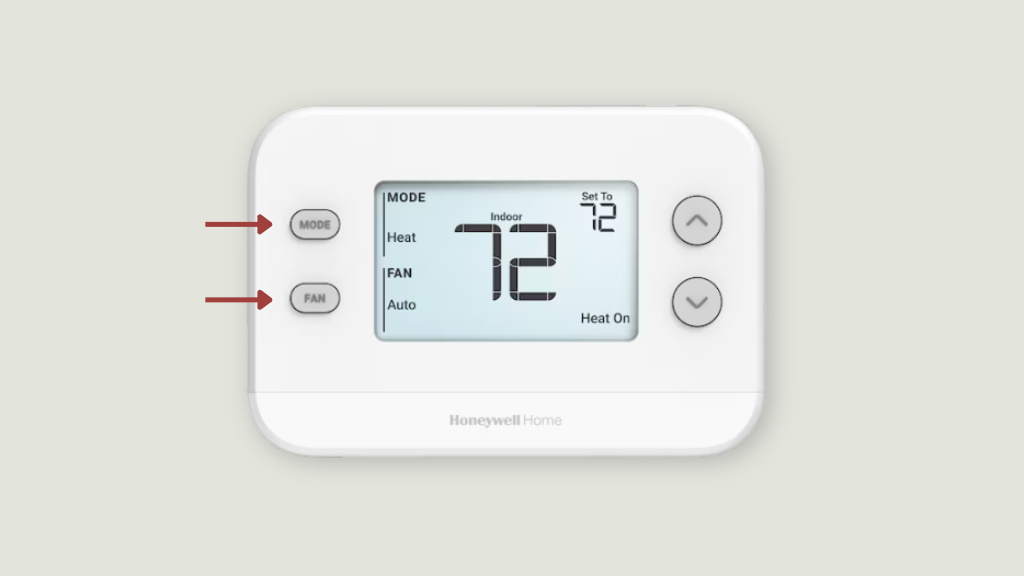
Sometimes the problem isn’t the furnace at all, it’s the thermostat. Here are some simple checks you can do yourself:
- Make sure it’s set to HEAT rather than COOL or OFF
- Check that the fan is set to AUTO instead of ON (leaving it ON runs the fan constantly, even when the furnace isn’t actively heating)
- Confirm the temperature is set higher than the current room temperature
- Replace any dead batteries
- Confirm the furnace is actually responding when you adjust the temperature
These quick checks may be able to save you an unnecessary service call, or at least help narrow down the problem in advance.
2. Replace Your Air Filter
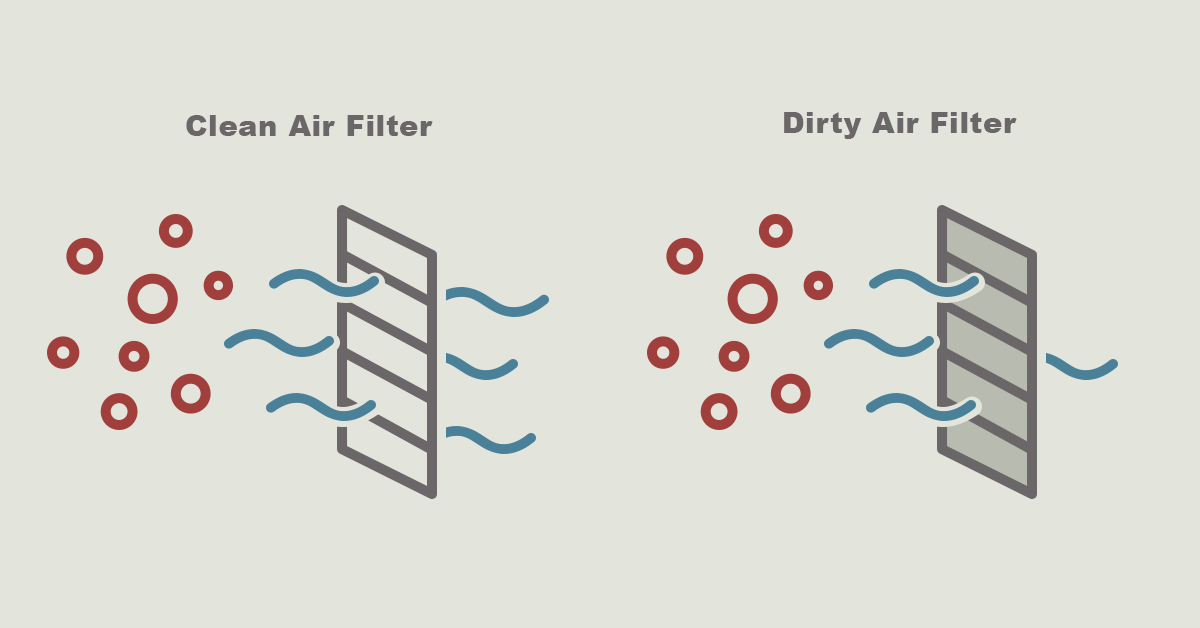
A dirty air filter is one of the most overlooked causes of furnace trouble. It restricts airflow, hurts efficiency, and can even cause newer energy-efficient furnaces to shut down entirely if they sense too much resistance. If your filter looks gray or dirty, it’s time to replace it. For a standard 1–3 inch filter, we recommend replacing it at least every three months, more often if you have pets, a large household, or allergy sufferers at home. Thicker filters can typically go longer between changes, around once or twice a year depending on the manufacturer’s guidelines.
| Filter Depth | Frequency |
| 1″ | Change monthly |
| 2″ | Change every 2 months |
| 4″ | Change every 4 months |
Pro tip: If you use a cool mist humidifier, consider switching to a different type. These humidifiers can release a fine white dust that clogs air filters and restricts airflow, leading to furnace performance issues.
3. Check Your Breakers
If your furnace won’t run at all, it may not be getting power. Head to your breaker panel and see if the furnace circuit has tripped. If it has, switch it to OFF and then back to ON to reset it. This simple step is sometimes all it takes to get your system running again.
Signs to Call a Professional
Safety Emergencies
- You smell gas. A gas leak is a serious, potentially life-threatening issue. Leave your home immediately and contact your utility provider or a licensed professional.
- Your carbon monoxide detector goes off. This is an urgent warning sign. Turn off the furnace, evacuate your home, and call emergency services or an HVAC specialist right away.
- Outdoor temperatures are dangerously low. When delayed repairs risk frozen pipes or health hazards, don’t wait it out. Call a technician immediately.
Mechanical Issues
- You hear unusual or loud noises. Banging, screeching, or rattling sounds often signal mechanical issues that need immediate evaluation.
- Troubleshooting hasn’t worked. If you’ve tried the basics and your furnace is still malfunctioning, it’s time for a professional to diagnose the root cause.
- Water is leaking near your furnace. Puddles or dripping water could point to a clogged condensate line or a more serious mechanical problem.
- Your furnace is short cycling. If it turns on and off repeatedly without completing a full heating cycle, that’s a sign of deeper trouble, like overheating or a faulty thermostat.
Professional Furnace Repair in West Michigan
Knowing which furnace issues you can safely troubleshoot, and which ones call for a professional, can save you time, money, and unnecessary stress during West Michigan’s colder months. When in doubt, our team is just a phone call away.
At Baumann & DeGroot, our NATE Certified Service Technicians are equipped to diagnose and repair a wide range of heating and cooling equipment, including furnaces, air conditioners, heat pumps, and boilers. We proudly serve homeowners throughout Holland, Grand Rapids, Zeeland, and the surrounding West Michigan communities, so help is never far away when the weather turns.
If your DIY furnace repairs aren’t doing the trick, we’ve got you covered. Contact Baumann & DeGroot Heating & Cooling at (616) 396-4328 or schedule online.
DIY Furnace Repair FAQs
Basic checks like your thermostat, air filter, and breaker panel are safe for most homeowners. Anything involving gas lines, electrical components inside the unit, or the heat exchanger should be left to a professional.
Every three months for most households, or more frequently if you have pets, a large family, or allergy sufferers.
Short cycling is often caused by overheating, a dirty air filter, or a faulty thermostat. It’s a sign your system needs professional attention.
Leave your home immediately and contact your gas utility provider or a licensed HVAC professional from a safe location. Never try to troubleshoot a suspected gas leak yourself.
Yes. Many modern, energy-efficient furnaces are designed to shut off automatically if a clogged filter restricts airflow too much.
These sounds usually indicate a mechanical problem, such as a loose part or a failing component, and should be evaluated by a technician right away.
Continuing to run a furnace that’s making unusual noises can turn a minor issue into a costly repair, or cause a safety hazard. It’s best to shut it down and call a professional.
Resetting the breaker can get your furnace running again, but if it trips repeatedly, that’s a sign of an underlying electrical issue that needs a professional diagnosis.
Turn off your furnace, evacuate the home, and call emergency services or an HVAC specialist immediately. Never ignore a CO alarm.
Gas odors, a triggered carbon monoxide detector, and dangerously low outdoor temperatures are all situations that require immediate professional help.