

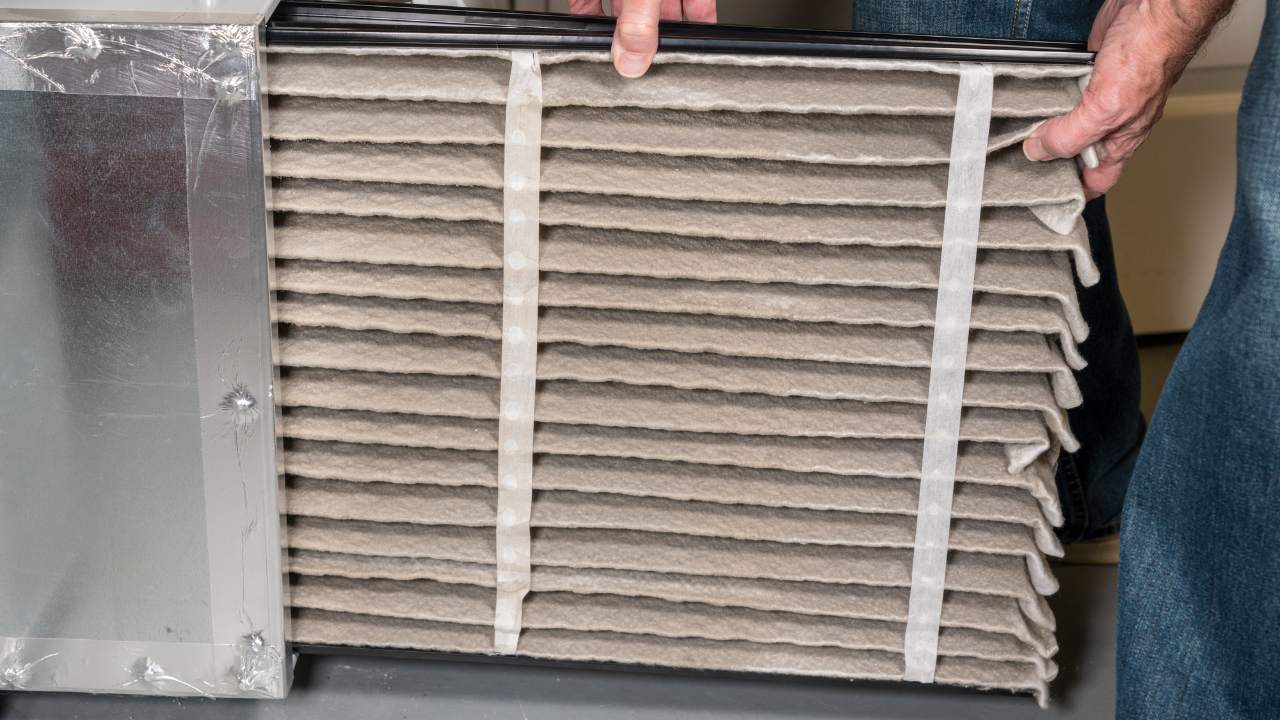
Clean filters help protect your system, lower energy costs, and improve indoor air quality. When filters are clean, air flows freely, reducing strain on key components like the blower motor and compressor, and potentially extending your system’s lifespan. Dirty or clogged filters restrict airflow, forcing your system to work harder, which can raise utility bills and lead to premature breakdowns. Clean filters also trap dust, pollen, pet dander, and other airborne particles, creating a healthier environment. Most 1-inch filters should be checked monthly and replaced every 1–3 months, while thicker filters typically last longer. Homes with pets, high usage, or environmental factors may need more frequent changes to keep air clean and systems running efficiently.
3 Reasons Clean Air Filters Are Crucial
Maintaining clean filters is one of the simplest yet most impactful steps you can take to protect your HVAC system and your family’s comfort. Many homeowners overlook this essential maintenance task, but the consequences of neglecting filter changes can be costly and uncomfortable. Here are three reasons why clean filters should be a priority in your home.
Clean Filters Extend HVAC System Lifespan
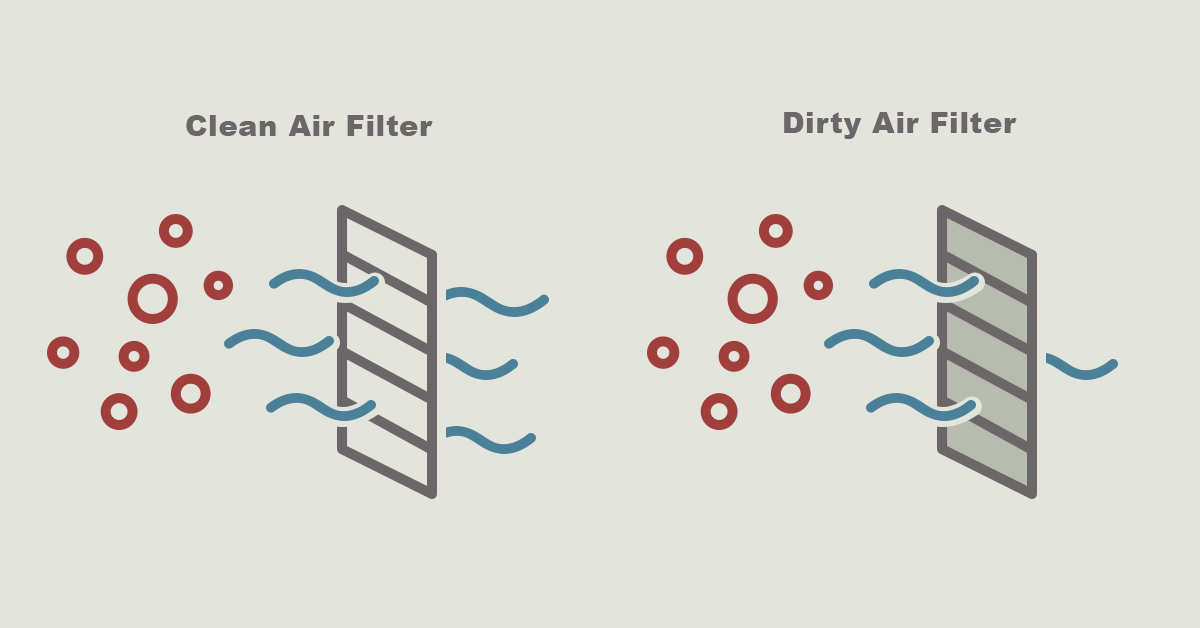
Your HVAC system is a significant investment, and clean filters play a vital role in protecting system lifespan and longevity. Clean filters allow air to flow freely through your system and operate as designed. This means your furnace, air conditioner, and blower motor don’t have to work as hard to circulate air throughout your home. Over time, air particles, dirt, and other debris accumulate in your filter. Here’s what happens with a dirty filter:
- Dirty filters restrict airflow, forcing your system to work harder to maintain normal performance.
- This added stress increases wear and tear on critical parts like the blower motor, heat exchanger, and compressor.
- Persistent strain can even lead to premature breakdowns and expensive repairs.
By regularly replacing filters, you reduce mechanical strain and can potentially add years to your system’s lifespan. Most HVAC systems are designed to last 15-20 years with proper maintenance, and clean filters contribute significantly. While purchasing clean filters may feel like an inconvenience, the minimal investment is far more affordable than the expense of major repairs or replacements.
Clogged Filters Increase Utility Bills
A clogged filter is like asking your HVAC system to breathe through a straw. When airflow is restricted, your system must work harder and longer to reach your desired temperature. This increased strain directly translates to higher energy consumption and elevated utility bills. Studies show that a dirty filter can increase your energy costs by 5-15% compared to a clean one.
During peak heating or cooling seasons, this inefficiency becomes even more pronounced. Your furnace or air conditioner may cycle on and off more frequently or run continuously without effectively heating or cooling your home. By maintaining clean filters, you allow your system to operate at peak efficiency, which means it reaches temperature faster, cycles less frequently, and consumes less energy. The few dollars you spend on replacement filters can save you hundreds on annual heating and cooling costs.
Fresh Filters Improve Healthy Air Quality
The air you breathe in your home home passes through your filter multiple times each day. Clean filters trap dust, pollen, pet dander, mold spores, and other airborne particles that can affect your family’s health and comfort. Clogged filters lose their ability to capture new particles effectively, meaning the same dirty air continues to circulate. Even worse, extremely dirty filters can allow already trapped particles to break free and recirculate through your home.
For family members with allergies, asthma, or respiratory sensitivities, clean filters are especially important. Fresh filters also help reduce dust accumulation on furniture and surfaces throughout your home. By changing filters regularly, you create a cleaner, healthier indoor environment where your family can breathe easier and feel more comfortable all year long.
How Often Should I Change My Furnace Filter?
As a general guideline, standard 1-inch pleated filters should be checked monthly and typically replaced every 1-3 months. However, the frequency of filter changes depends on several factors unique to your home and lifestyle:
- Homes with pets, allergies, or higher occupancy may need monthly replacements. If you have multiple pets that shed, you might notice your filters becoming visibly dirty in as little as 3-4 weeks.
- During heavy heating or cooling seasons, filters can accumulate debris faster and require more frequent attention.
- Thicker filters, such as 4-inch or 5-inch media filters, generally last longer, typically 6-12 months, because they have more surface area to capture particles.
- Ongoing home renovations, living on a gravel or dirt road, nearby construction projects, wildfire smoke exposure, or running your HVAC system fan continuously, all may require more frequent changes.
| Filter Depth | Frequency |
| 1″ | Change monthly |
| 2″ | Change every 2 months |
| 4″ | Change every 4 months |
Don’t be fooled: Some filters sold at home improvement stores advertise their 1″ filters can go 3 months between changes. While they do filter air for 3 months, the strain from those additional 2 months is not worth it.
The best approach is to inspect your filter monthly, especially when you’re new to a home or system. Set a reminder on your phone or mark your calendar to develop a consistent checking routine.
Clean Filters in West Michigan
West Michigan’s unique climate and seasonal changes create specific challenges for HVAC systems and air filters. Humid summers, cold winters, and significant pollen counts all affect how quickly filters become clogged. Homeowners should be particularly attentive during seasonal transitions when HVAC systems switch between heating and cooling modes. Many West Michigan residents find that checking filters monthly and replacing them every 4-6 weeks during peak seasons keeps their systems running efficiently.
For professional guidance on filter selection and replacement schedules, Baumann & DeGroot can recommend the best approach for your home. We carry most filters at competitive prices, and are typically able to order any filters not in stock. Contact Baumann & DeGroot Heating & Cooling at (616)396-4328 or schedule online.
Clean Filter FAQs
How do I know what size filter I need?
Filter size is typically printed on the frame of your current filter. It’s listed in three dimensions (length x width x thickness), such as 16x25x1.
Can I clean and reuse my filter?
No, standard filters are disposable and not designed to be washed or reused.
My filter looks clean after a month. Do I still need to change it?
Yes, visual appearance isn’t always reliable. Some particles are too small to see, but still reduce airflow.
Can a dirty filter cause my system to freeze up?
Yes, restricted airflow from a clogged filter can cause your air conditioning coil to freeze. When airflow is severely limited, the coil gets too cold, causing moisture to freeze on it. This creates ice buildup that further blocks airflow and can lead to system shutdown.
Should I upgrade to an electronic filter?
Electronic air filters are not necessary, but can provide enhanced filtration. These are recommended for households with pets, severe allergies, or air quality concerns.
What should I do if my filter gets wet?
Replace it immediately. Wet filters promote mold and bacterial growth, lose their structural integrity, and cannot filter effectively.
Does the air filter impact both the furnace and air conditioner?
Yes, the same filter impacts both the furnace and air conditioner because they share the same blower fan and ductwork to circulate air.
Can I double up on filters?
No, two filters do not improve air quality better than one proper filter, they just clog faster.
Learn More About Air Filters
Find out what happens if you don’t change your dirty filter
Troubleshoot why there is white powder in your filter
Learn more about air filtration systems
Figure out why your furnace is not working
Discover the importance of furnace maintenance