
Furnace not working when the temperature drops is often caused by cold-weather conditions interfering with safe operation. Snow, ice, and other debris can block the intake pipe and trigger safety shutoffs, while extreme conditions can prevent the burners from igniting. Dirty air filters and thermostat problems are also common causes. In some cases, basic troubleshooting can restore heat. However, ongoing issues usually require professional service to prevent winter breakdowns.
What Can Cause a Furnace to Stop Working in the Winter?
Furnace Not Working When the Temp Drops?
1. Frozen or Blocked Intake Pipes
Furnaces burn fuel to create heat through a process called combustion, which requires a consistent supply of oxygen. Most high-efficiency gas furnaces use an intake pipe to pull in fresh air from outside. Throughout harsh Michigan winters, it’s possible for snow and ice to get caught in the intake pipe and restrict airflow. If the furnace can’t get enough oxygen, combustion becomes inefficient and increases the risk for a carbon monoxide backup. As a safety preventative, most furnaces have pressure sensors to monitor airflow. If they can’t detect enough air movement, the sensors signal the control board to shut down, stopping the furnace from working.
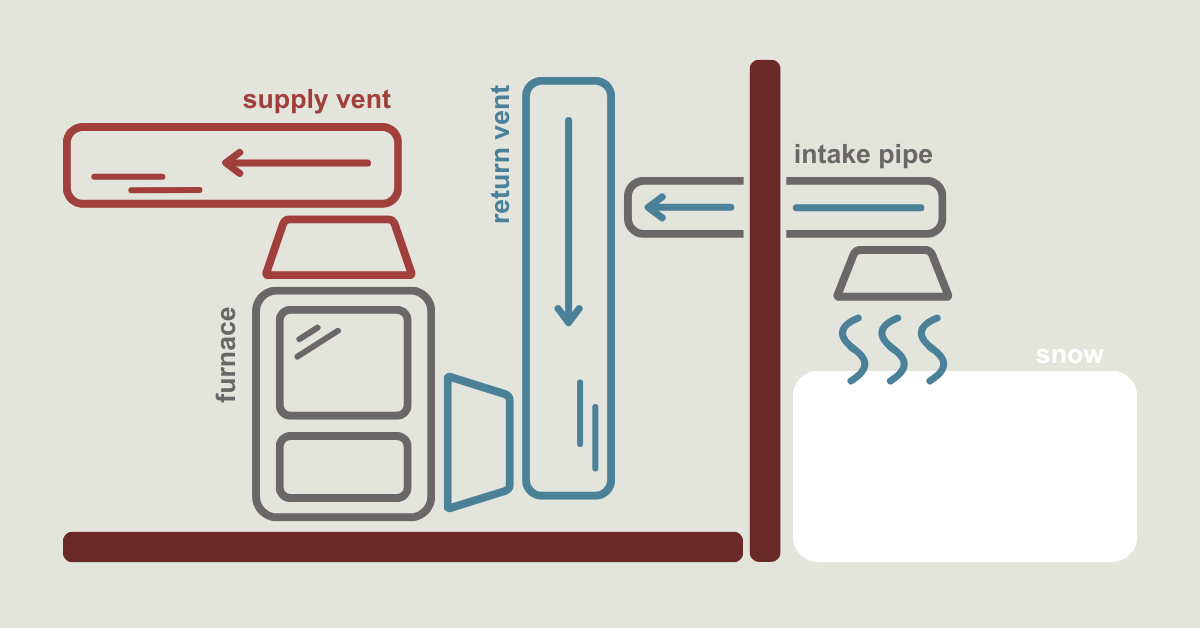
How to Keep Furnace Intake From Freezing:
Snow Drifts: Heavy snowfall can pile up around the intake pipe, especially if it’s close to the ground. Regularly checking and clearing snow drifts throughout the winter can help prevent snow blockage.
Condensation: Moisture from exhaust gases can freeze and create ice build up inside or around the intake pipe. Periodically inspecting and gently removing any ice from the intake pipe can help ensure airflow.
Other Debris: Kids and animals can stuff the intake pipe with leaves, rocks, and other debris. Even if you don’t have kids or pets, checking the area for unwanted debris helps prevent unexpected airflow disruptions.
2. Failing Ignitor
Modern furnaces rely on an electronic ignitor to light the burners, while older furnaces use a pilot light. Regardless of ignition type, both modern and older furnaces need proper ignition to produce heat. If ignition fails, the furnace can’t produce heat. Cold weather can increase the possibility of ignition failure for several reasons.
Why Ignition Stops Your Furnace From Working:
Thermal Contraction: In extreme cold, a phenomenon called thermal contraction can cause metal components to shrink. This can lead to cracks, misalignment, and reduced ignitor performance.
Dirty Flame Sensor: A dirty flame sensor is similar to foggy glasses. Even if the burners ignite, the sensor may not be able to “see” the flame. When the furnace does not detect a flame, the system shuts down as a safety measure.
Wear and Tear: In general, electronic ignitors typically have a lifespan of around 7 years. An aging ignitor becomes weaker and slower to respond, increasing the chance for ignition failure.
3. Dirty Air Filter
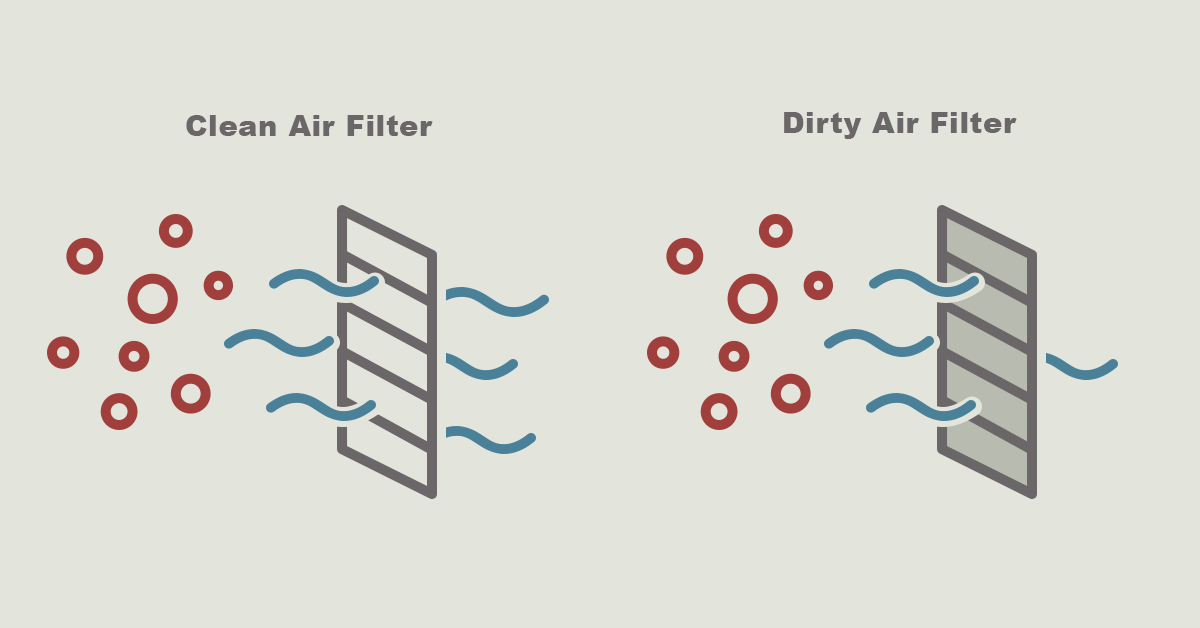
A dirty air filter and restricted airflow are leading causes for furnace shutdowns. Dust and debris in a clogged filter can restrict the incoming airflow, causing the furnace to work harder and the heat exchanger to overheat. Excess heat can trigger the limit switch, which shuts down the burners but does not always shut down the furnace. The blower can continue to circulate cool air, even though the furnace is not heating.
Furnace Not Turning On With Thermostat?
4. Dead Batteries
Some modern thermostats draw continuous power through a c-wire, but many require batteries to operate. If the batteries die, the thermostat can’t turn on, preventing the furnace from working properly. A clear indicator of dead thermostat batteries is a blank or unresponsive thermostat screen. To replace the batteries, start by gently pulling the faceplate off the wall mount. The battery compartment is typically located on the backside of the thermostat. Swap the old batteries for fresh ones, usually AA or AAA, matching the positive and negative ends correctly. Additionally, check for any accumulated dust and debris stuck between components. Once replaced, snap the thermostat back onto the wall. If dead batteries were the culprit, the thermostat should power back on and restore normal operation.
5. Calibration Problems
Like most modern appliances, thermostats aren’t perfect. A calibration issue reads or displays the incorrect temperature, which can cause inconsistent heat cycles, or prevent the furnace from working altogether. If the temperature on your thermostat doesn’t match the feel of your room, remove it from the wall. Start by gently cleaning the sensor and battery compartments. Next, refer to your thermostat’s user manual to reset the device. Some models include a built-in calibration feature. If problems persist after resetting, you may need to call for professional recalibration, relocation to a better spot in the home, or a thermostat replacement.
Furnace Not Working in Holland, MI?
If furnace troubleshooting doesn’t solve the issues, winter furnace failures can quickly follow. The best way to reduce cold-weather breakdowns is through regular furnace maintenance. However, when emergencies happen, Baumann & DeGroot can provide expert furnace repair and replacement. Our skilled technicians are trained to diagnose and deliver effective and long-lasting solutions. For professional furnace repair in West Michigan, Contact Baumann & DeGroot Heating & Cooling at (616)396-4328 or schedule online.
Furnace Not Working FAQs
There are several reasons furnaces struggle in extreme cold, but some of the most common include airflow issues (dirty filter, blocked vents, clogged intake pipe), dirty flame sensors, ignition issues, and faulty thermostats. Cold weather can amplify these problems by restricting airflow or causing components to malfunction.
Yes. If your furnace is not working and temperatures drop, your pipes can freeze, especially if indoor temperatures fall to or below freezing for several hours. This can lead to burst pipes and costly water damage.
If your furnace isn’t kicking on in cold weather, it may be due to a dirty flame sensor, a failing ignitor, or restricted airflow. Extreme cold can worsen these issues and trigger built-in safety shutoffs that prevent the furnace from starting.
Brief cold air at startup is normal while the furnace ignites and the heat exchanger warms up. However, if cold air continues, it’s often caused by airflow problems, incorrect thermostat fan settings, or ignition failure that prevents the burners from producing heat.
If your furnace stops working, start by checking the air filter for debris, confirming thermostat settings, and ensuring the ignitor is functioning. If basic troubleshooting doesn’t restore heat, the system likely needs professional diagnosis.
When a furnace doesn’t respond to the thermostat, the issue is often related to dead batteries, calibration problems, or a thermostat malfunction. Replacing batteries or resetting the thermostat may resolve the issue, but persistent problems may require professional service.
Learn More About Furnaces
Troubleshoot your furnace blowing cold air
Find out why your furnace is making loud noise
Discover more about the furnace blower motor
Learn the importance of furnace maintenance
Get help with a furnace replacement